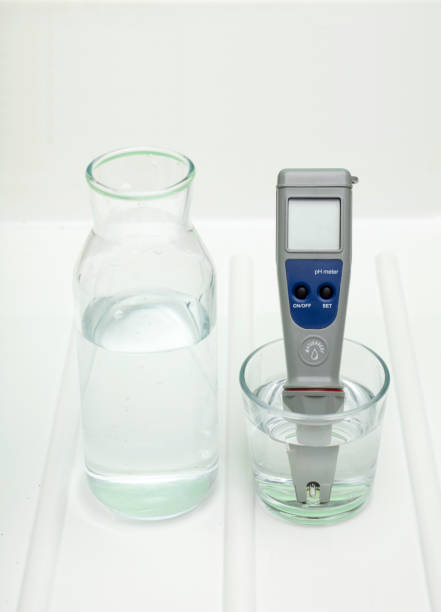
Proactive water quality testing is essential for maintaining health, safety, and system efficiency. Regular testing helps ensure compliance with regulations and prevents costly maintenance issues.




importance of water testing

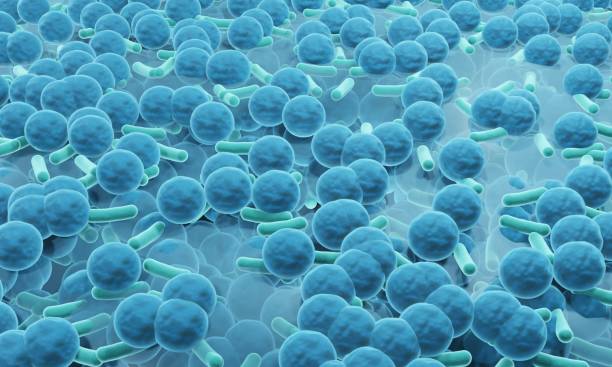
Bacteria that can cause Legionnaires’ disease, a severe form of pneumonia. Legionella thrives in stagnant or poorly maintained water systems, such as cooling towers, hot tubs, plumbing systems, and fountains—making regular disinfection and monitoring essential for safety.

A bacteria linked to serious infections, especially in healthcare and hospitality environments. It can survive in disinfectants and moist environments like sinks, drains, and hot tubs. In vulnerable populations, it can cause respiratory, urinary tract, and wound infections, making water system safety even more critical.

A layer of microorganisms that can form inside pipes, reducing water quality and increasing the risk of harmful bacteria growth. Biofilms act like a protective shield for bacteria, making them resistant to treatment and disinfection. Once established, they're difficult to remove and can serve as long-term reservoirs for pathogens, like Legionella or Pseudomonas.
Bacteria that thrive in the biofilms within manmade water systems are commonly referredto as “biofilm-associated bacteria”. These include iron-related bacteria, which producereddish-brown biofilms; sulfate-reducing bacteria, which produce black or brown biofilms;and many others

Elements like lead and copper that can leach from old pipes, posing serious health risks. Even at low levels, prolonged exposure to these metals can be dangerous—impacting neurological development in children and causing kidney or cardiovascular issues in adults. Corrosion control and testing are essential.

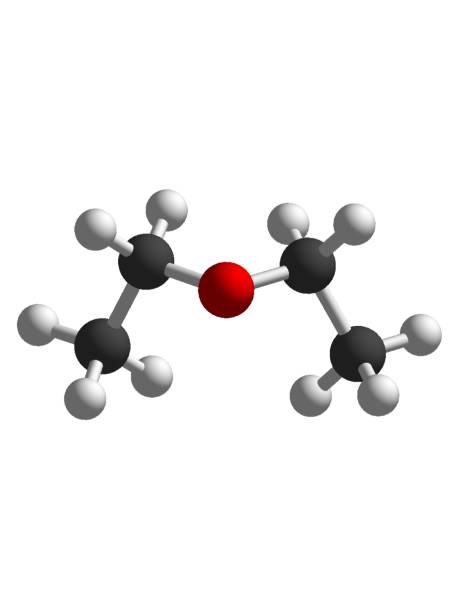
Chemical pollutants that can affect air and water quality, often linked to industrial runoff or cleaning agents. VOCs can include solvents, degreasers, and fuels, which may infiltrate water systems and release harmful vapors. Some VOCs are known carcinogens, and longterm exposure can lead to liver, kidney, or central nervous system damage.

High mineral content (like calcium or magnesium) can lead to scaling, equipment damage, and reduced system efficiency. Over time, this buildup can clog pipes, degrade water heaters, and increase energy use. It may also affect the performance of UV systems and other water treatment technologies, making pre-treatment important in hard water areas.

The composition of your water depends on a complex array of factors, including the type and quality of source water, the treatment steps for your municipality, and the condition and material of the distribution pipes in your neighborhood. However, there are a fewcommon culprits that are frequently seen in domestic water. Microplastics are smallpieces of plastic, often microscopic, that result from the breakdown of larger plastics inour environment. In recent years, the adverse health and environmental effects ofmicroplastics have become a major concern. PFAS is short for polyfluoroalkylsubstances, and are often known as “forever chemicals” because they do not readilybreak down and so they accumulate in the environment. These compounds have beenshown to have serious adverse health effects in recent years, and regulatory agencies likethe EPA have implemented policies to manage their levels in drinking water. If you’ve everdetected a “rotten egg smell” coming from your drinking water, it may be due to Hydrogensulfide, or H2S. This smelly gas is not harmful to health, but does create an unappealingodor. Hydrogen sulfide often results from the breakdown of sulfates and sulfites bysulfate-reducing bacteria, which are usually found in biofilms.
We have custom protocols for legionella, biofilm associated bacteria, sewage screens, filter swabs, discovery screens, total bacterial counts, comprehensive physical and chemical benchmarking, and many more.

We’re not just providing raw test results. Our team of scientists are providing their expert analysis.
Our water quality technologists will recommend the best tech based on customized solutions for your specific problems
Water testing isn’t one-size-fits-all. Clear develops property-specific protocols tailored to each client’s needs—factoring in building size, water usage, and local regulatory requirements. Because different systems pose different risks, a customized plan is essential. We work with certified experts and accredited labs to deliver reliable testing, easy-to-understand reports, and proactive recommendations that help you stay ahead of potential issues.
.jpg)